-

-
♔
Catalogue

-
♕
Collections
 2
2
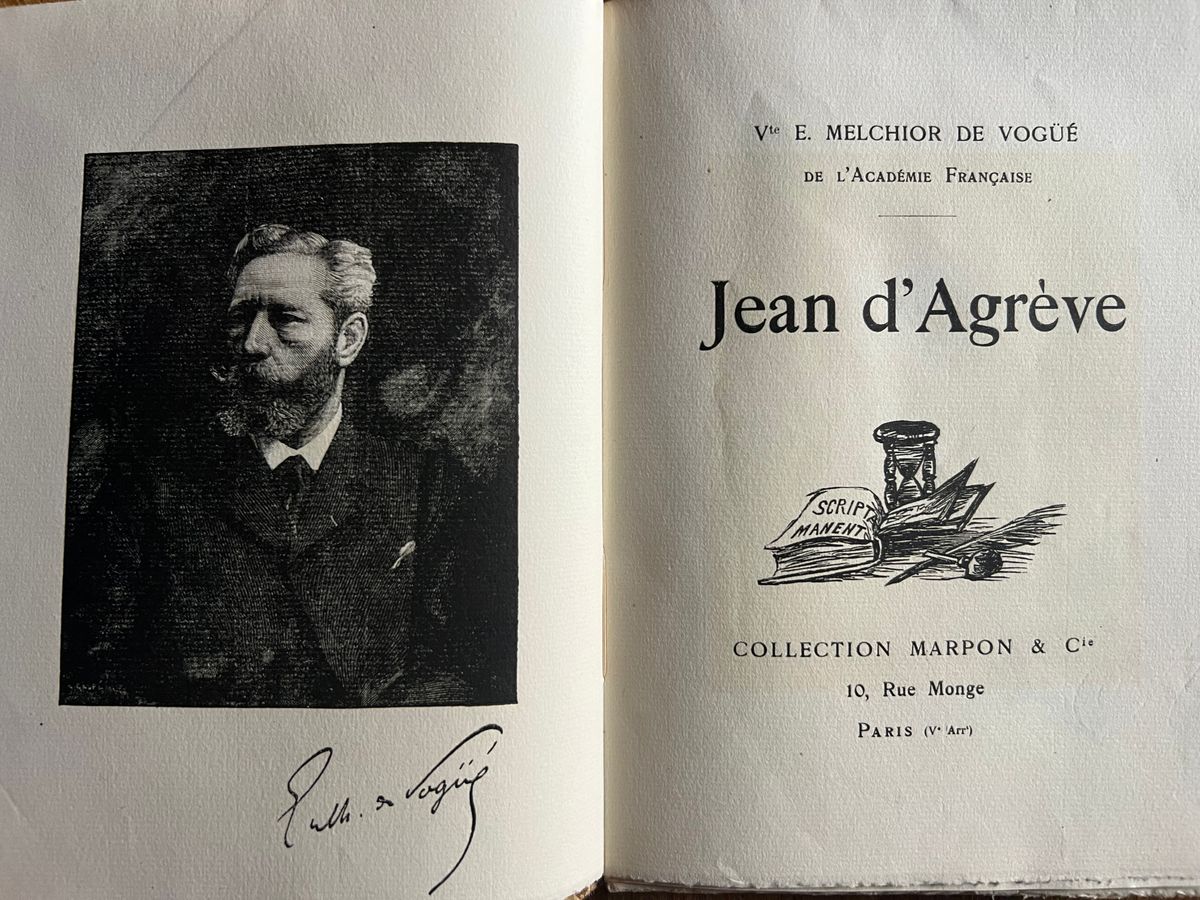
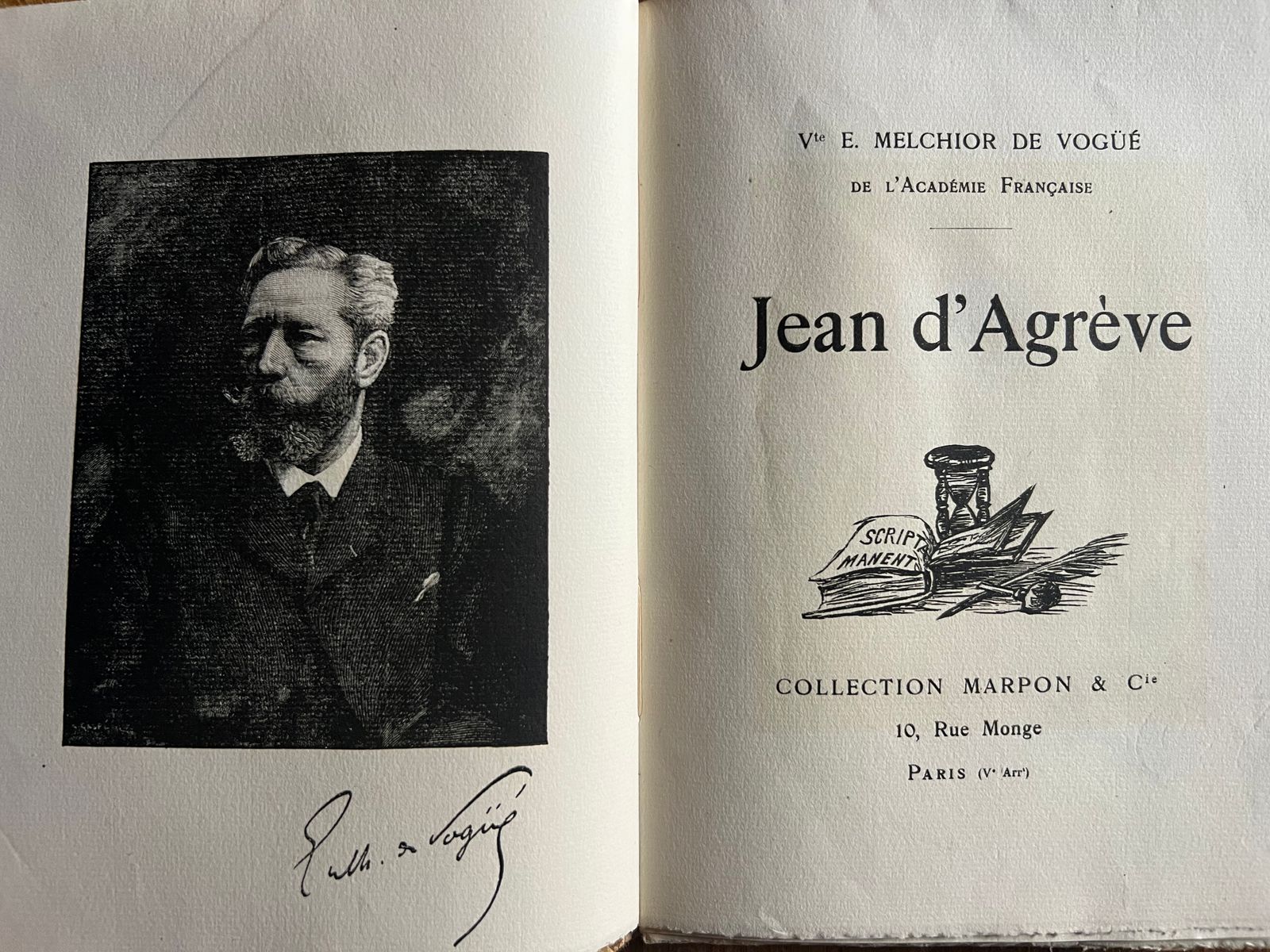
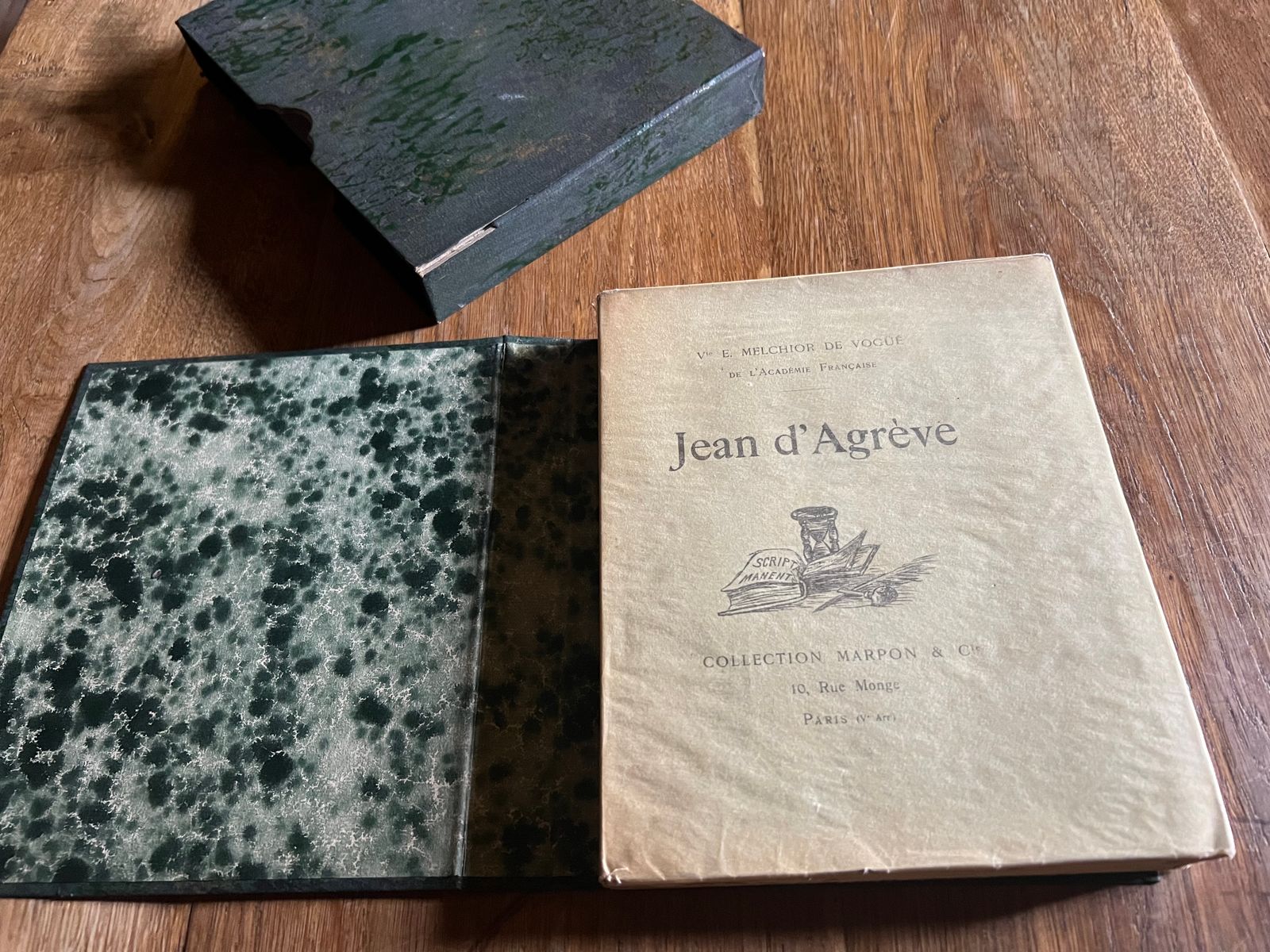
☙ Jean d'Agrève
1921 - E. Melchior de Vogüé
"Jean d'Agrève" is Eugène-Melchior de Vogüé's most famous novel, first published in 1897 and regularly reissued until the 1920s. This 1921 edition perpetuates the success of a novel that profoundly marked its era through its treatment of social questions through the prism of... ☞ Read more
- Free delivery to your door in 🇺🇸 United States of America
- Your price includes all duties, taxes, tariffs, and shipping to any address in 🇺🇸
- What you see is what you pay — no surprises at checkout or delivery.
Mark it for later — it might just be waiting for you!
☙ Jean d'Agrève
✑ E. Melchior de Vogüé
JEAN D'AGRÈVE: ROMAN
"Jean d'Agrève" is Eugène-Melchior de Vogüé's most famous novel, first published in 1897 and regularly reissued until the 1920s. This 1921 edition perpetuates the success of a novel that profoundly marked its era through its treatment of social questions through the prism of Christian faith. The author, a diplomat, literary critic, and member of the Académie française, tells the story of a young idealistic aristocrat who, after witnessing the miserable living conditions of workers, decides to dedicate his fortune and life to improving their lot. This novel belongs to the current of social Catholicism of the late 19th century, a time when the Church sought to respond to challenges posed by industrialization and the labor question. Vogüé, strongly influenced by his readings of the great Russian novelists whom he himself had helped introduce to France, integrates into his work a psychological depth and moral dimension that transcend the simple narrative of social engagement. This 1921 edition testifies to the work's longevity and its importance in the French literary landscape of the early 20th century.
Why add it to your collection?
- Major work by a French academician who served as ambassador and influential literary critic
- Novel of Christian and social inspiration that achieved immense success upon its initial publication in 1897
- Valuable testimony on the vision of Catholic elites facing labor questions at the turn of the century
- Pioneer author in discovering Russian novels in France, having introduced Dostoevsky and Tolstoy
- Early 20th-century edition of a novel that profoundly marked French literature of the Belle Époque
Description
☞ Continue readingThe Author and His Context
Eugène-Melchior de Vogüé (1848-1910) was a major figure in French intellectual life during the Third Republic. After a diplomatic career that took him notably to Russia, where he discovered Dostoevsky and Tolstoy, he became an influential literary critic and was elected to the Académie française in 1888. His work "Le Roman russe" (1886) played a determining role in introducing Russian literature to France, contributing to a profound renewal of the French novel.
The Plot and Themes
Jean d'Agrève tells the story of a young nobleman who discovers working-class poverty and decides to put his fortune at the service of the disinherited. The novel explores tensions between idealism and pragmatism, religious faith and social action, aristocratic tradition and industrial modernity. Vogüé develops a vision of social Catholicism that seeks to reconcile Christian values with imperatives of social justice, in the wake of Pope Leo XIII's encyclical "Rerum Novarum" (1891).
Reception and Influence
Upon publication, "Jean d'Agrève" achieved considerable success, particularly touching progressive Catholic circles. The novel was praised for its sincerity and commitment, although some critics reproached it for a certain naivety in its vision of solutions to social problems. Nevertheless, the work participated in public debate on the labor question and inspired many young Catholics to engage in social action.
Characteristics of the 1921 Edition
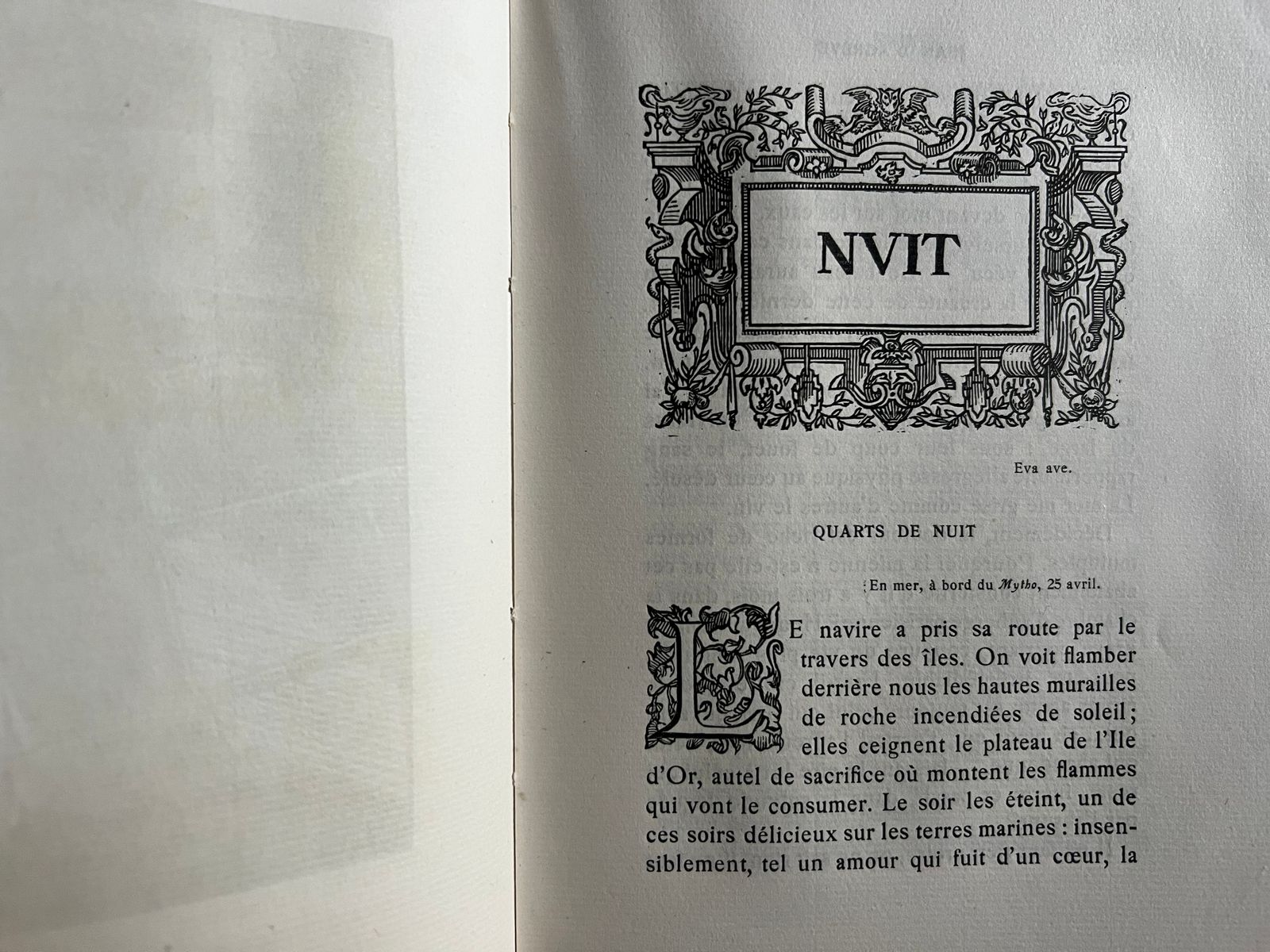
This...
Mark it for later — it might just be waiting for you!
- Year
- ❧ 1921
- Century
- ❧ XX
- Author
- E. Melchior de Vogüé
- Publisher
-
- Plon-Nourrit et Cie
- Printer
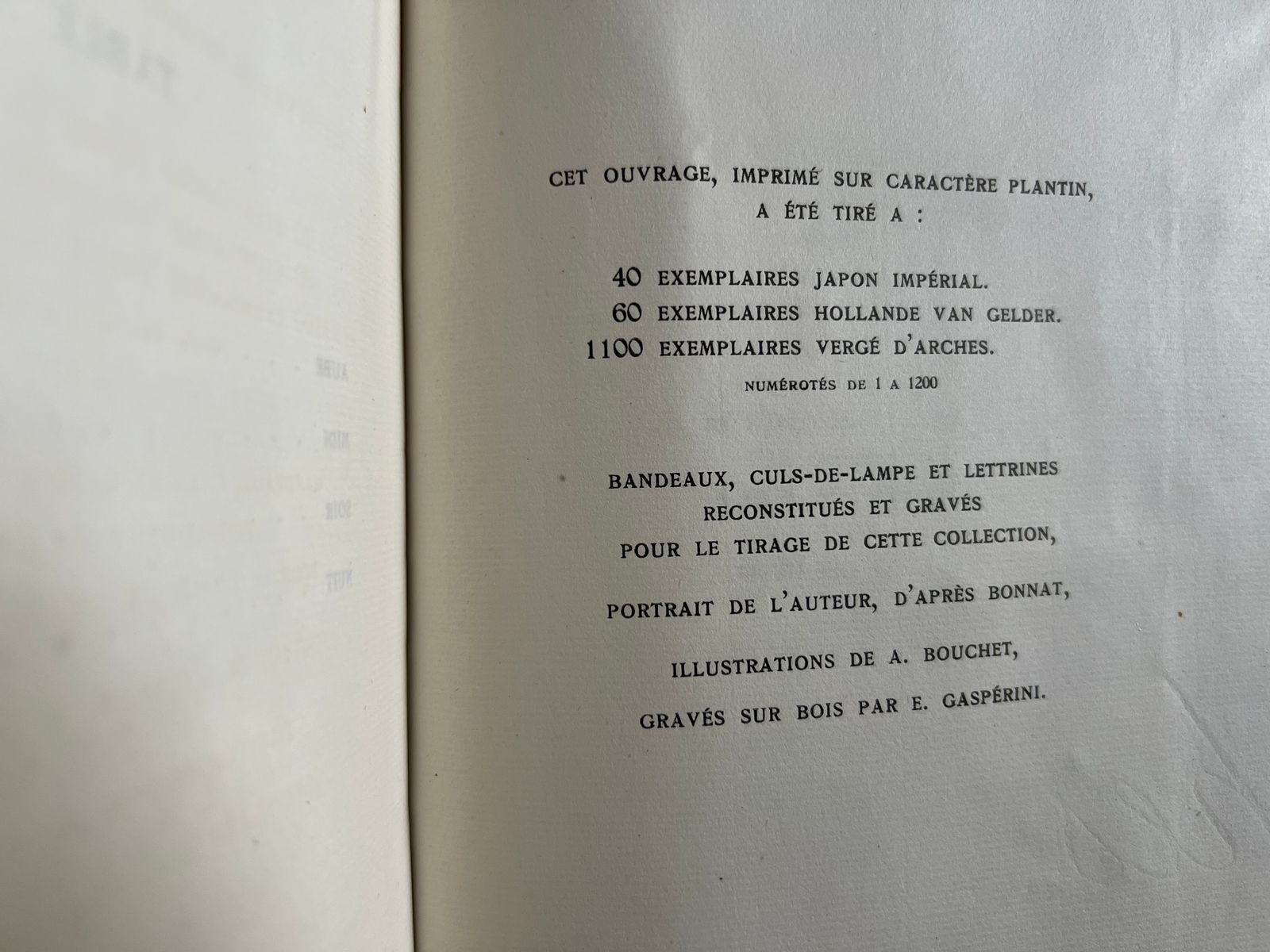
- L'IMPRIMERIE D'ART
- Illustrator
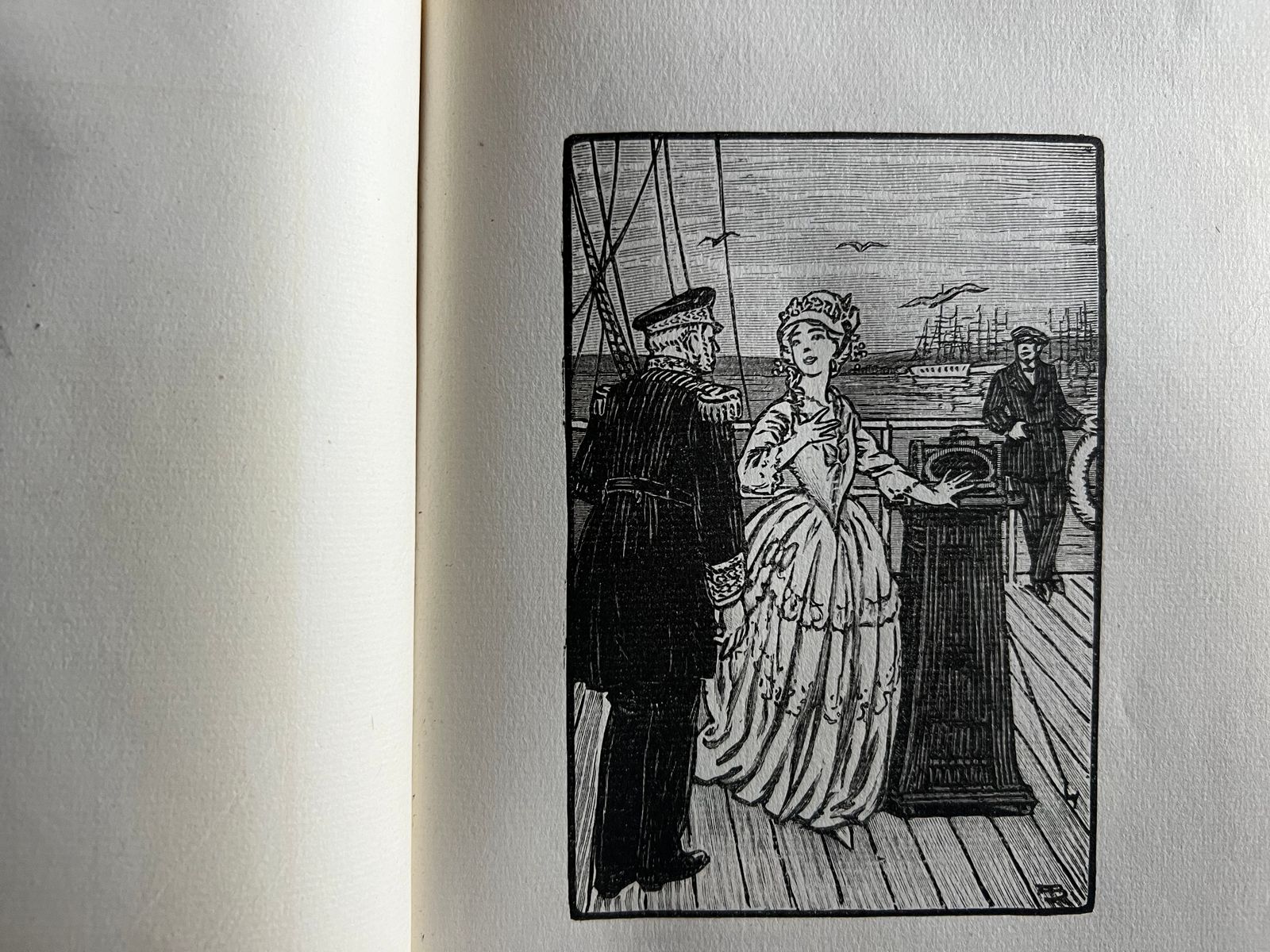
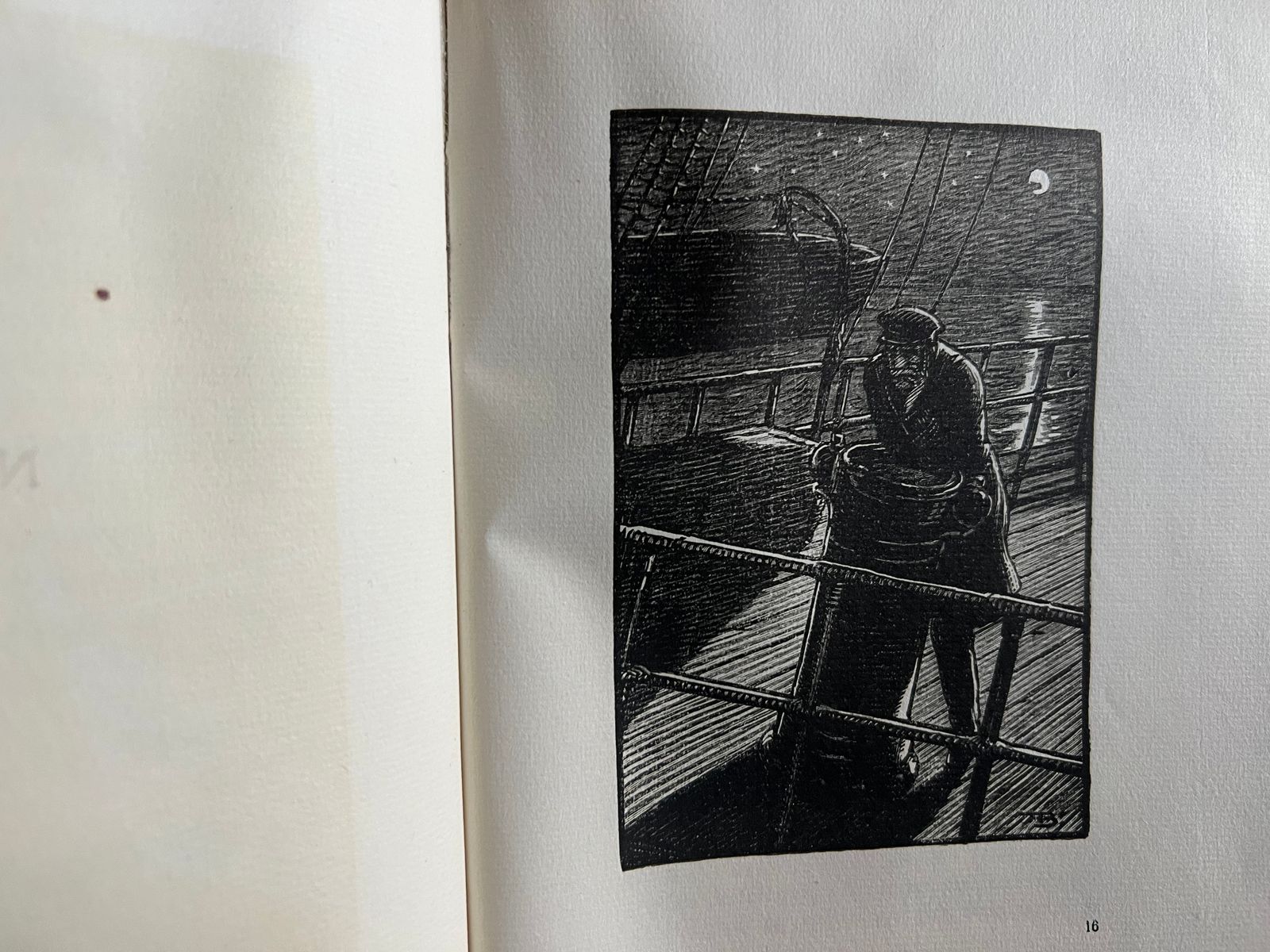
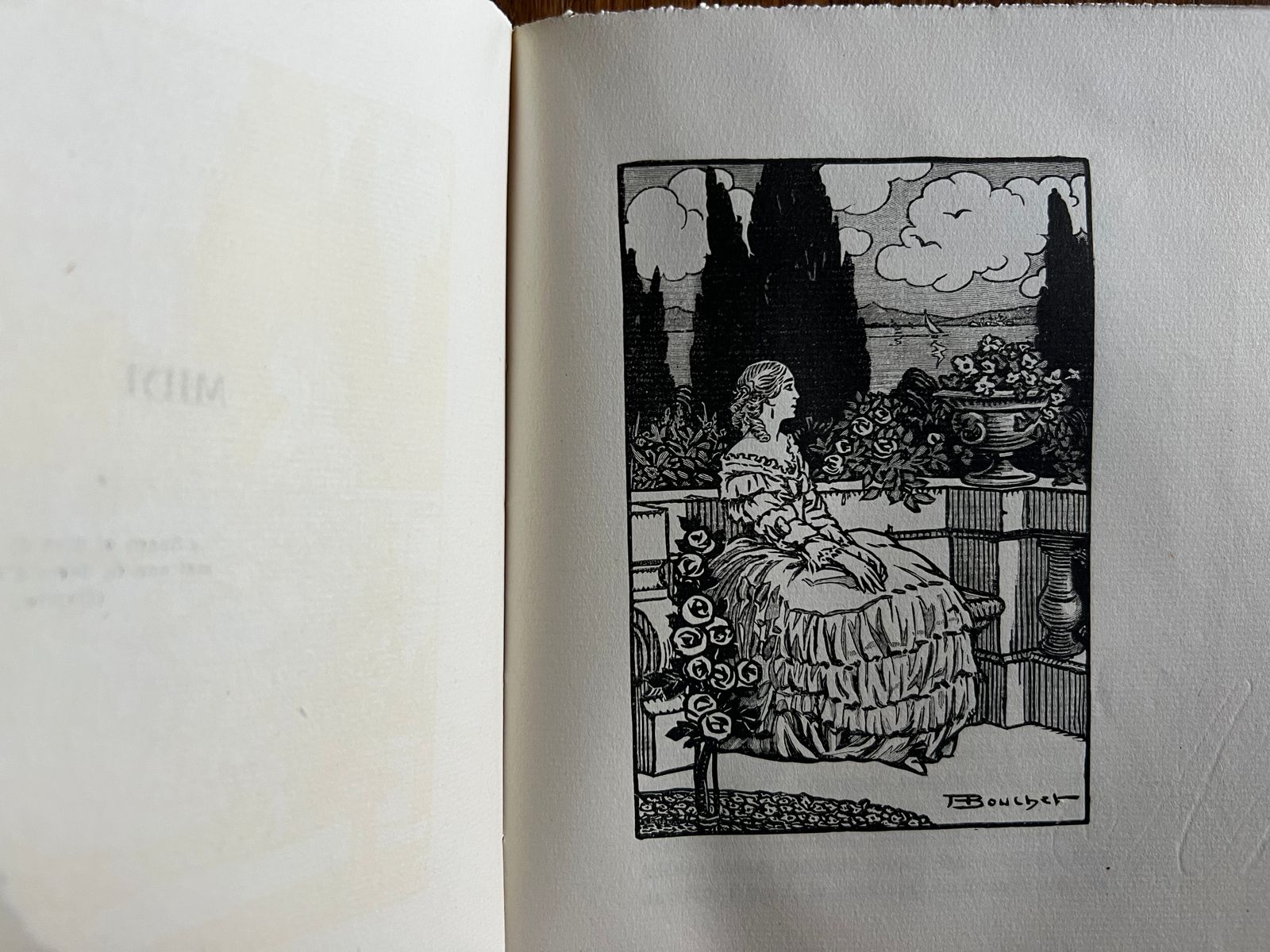
- A. BOUCHET
- Ref #
- VJA-847
- Dimensions
- 180 mm • 215 mm • 32 mm
- Weight
- 800 gram
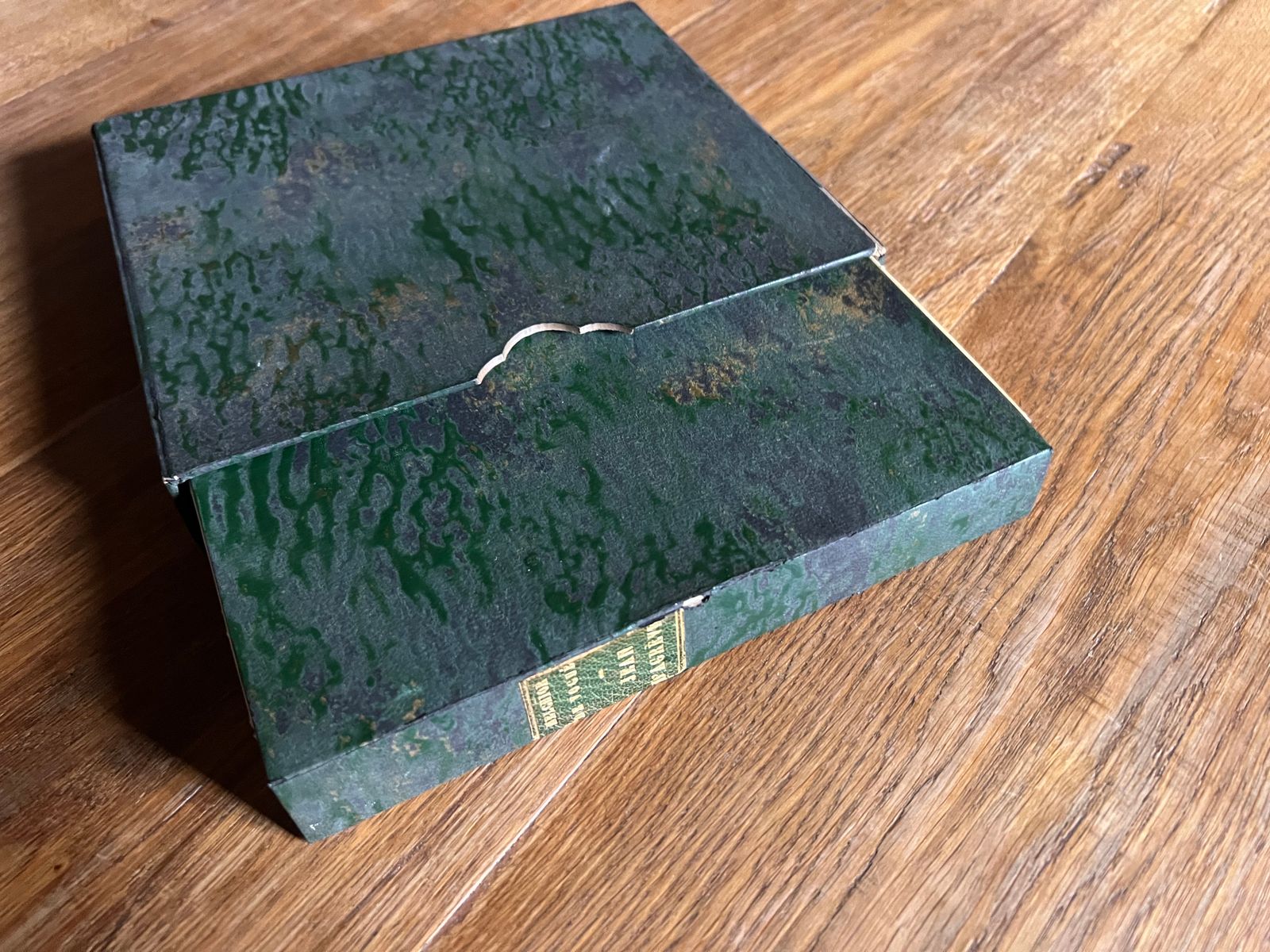
- Condition
- **** Fine
 ➜
➜