-
-
♔
Catalogue

-
♕
Collections
 2
2
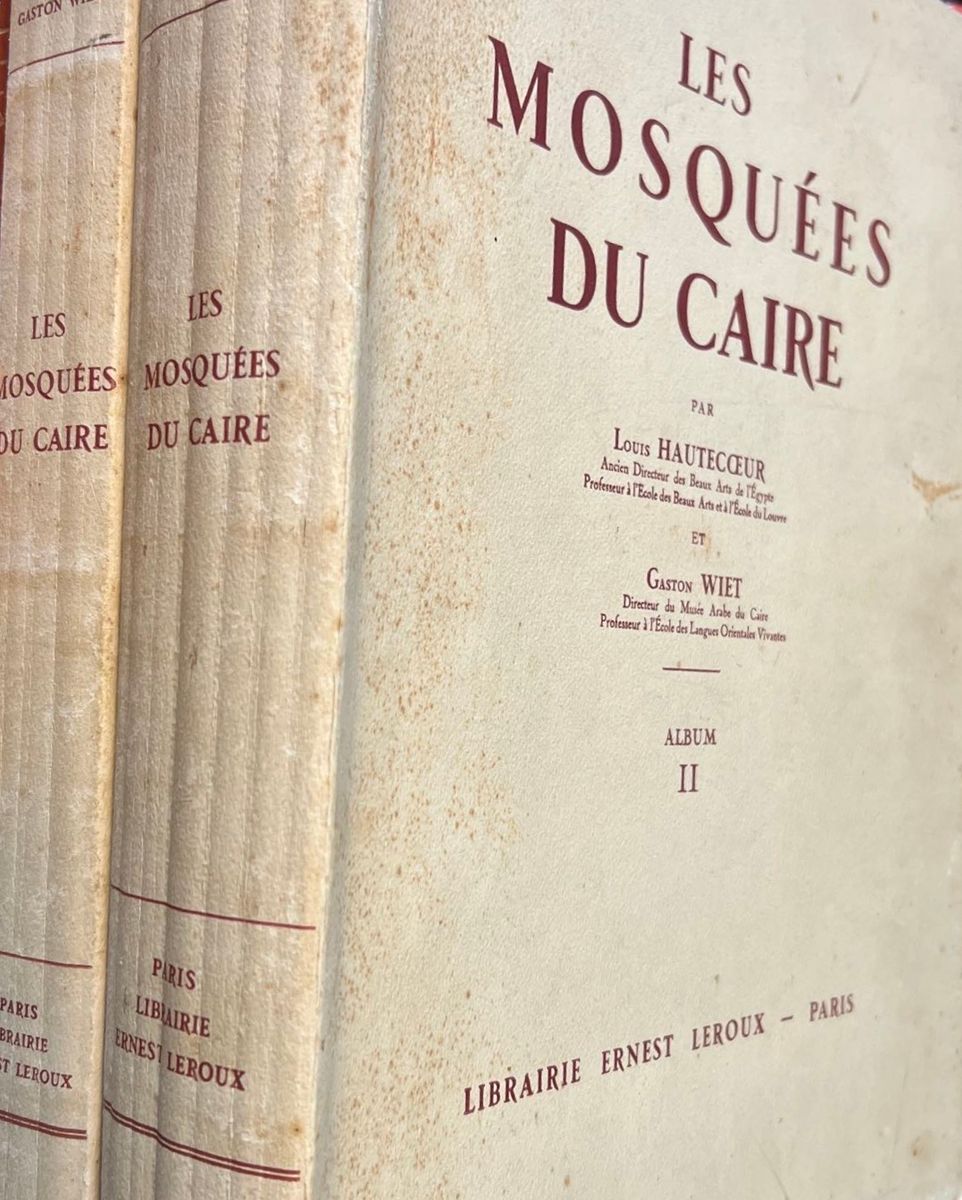
☙ Les Mosquées du Caire
1932 - Louis Hautecœur
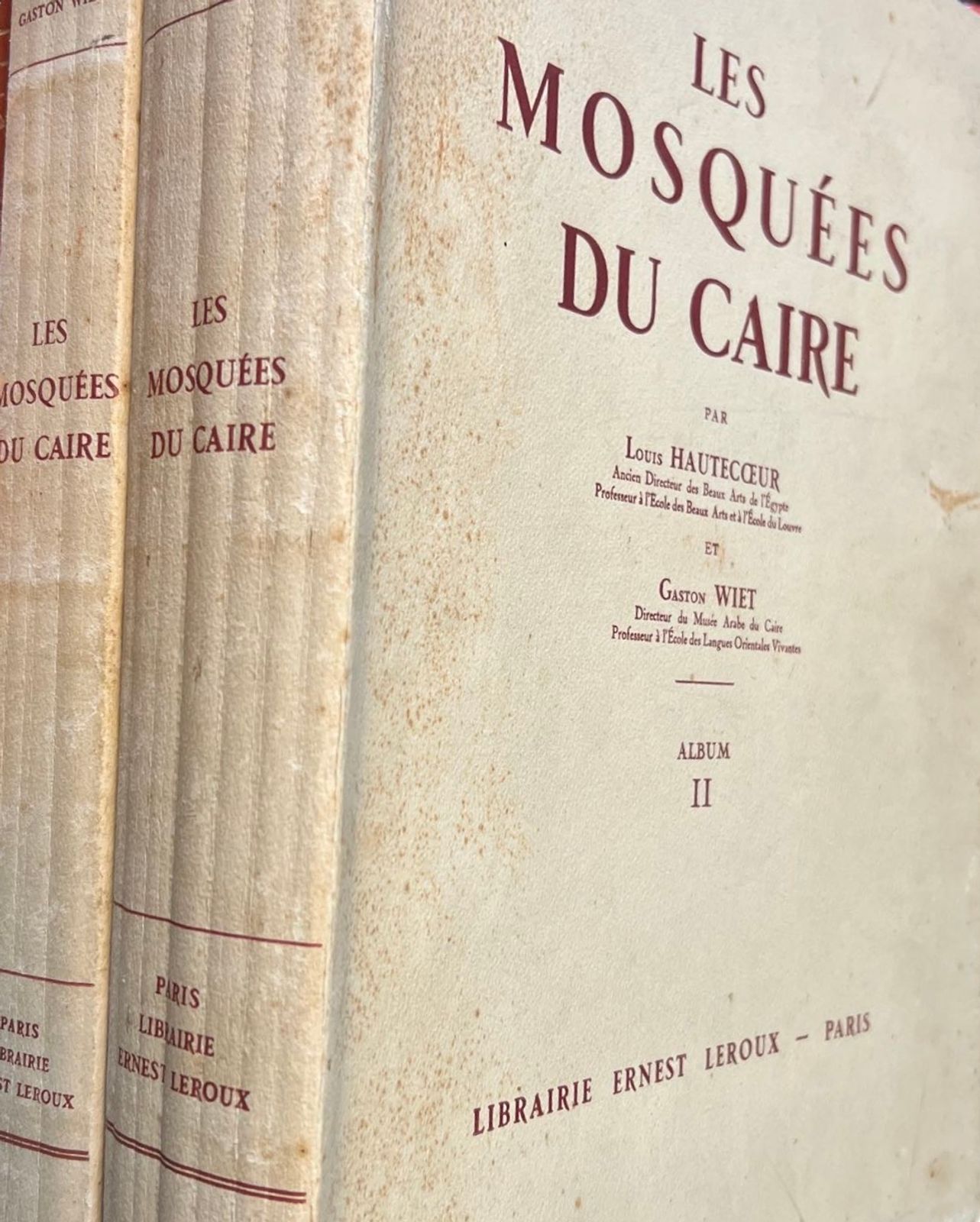
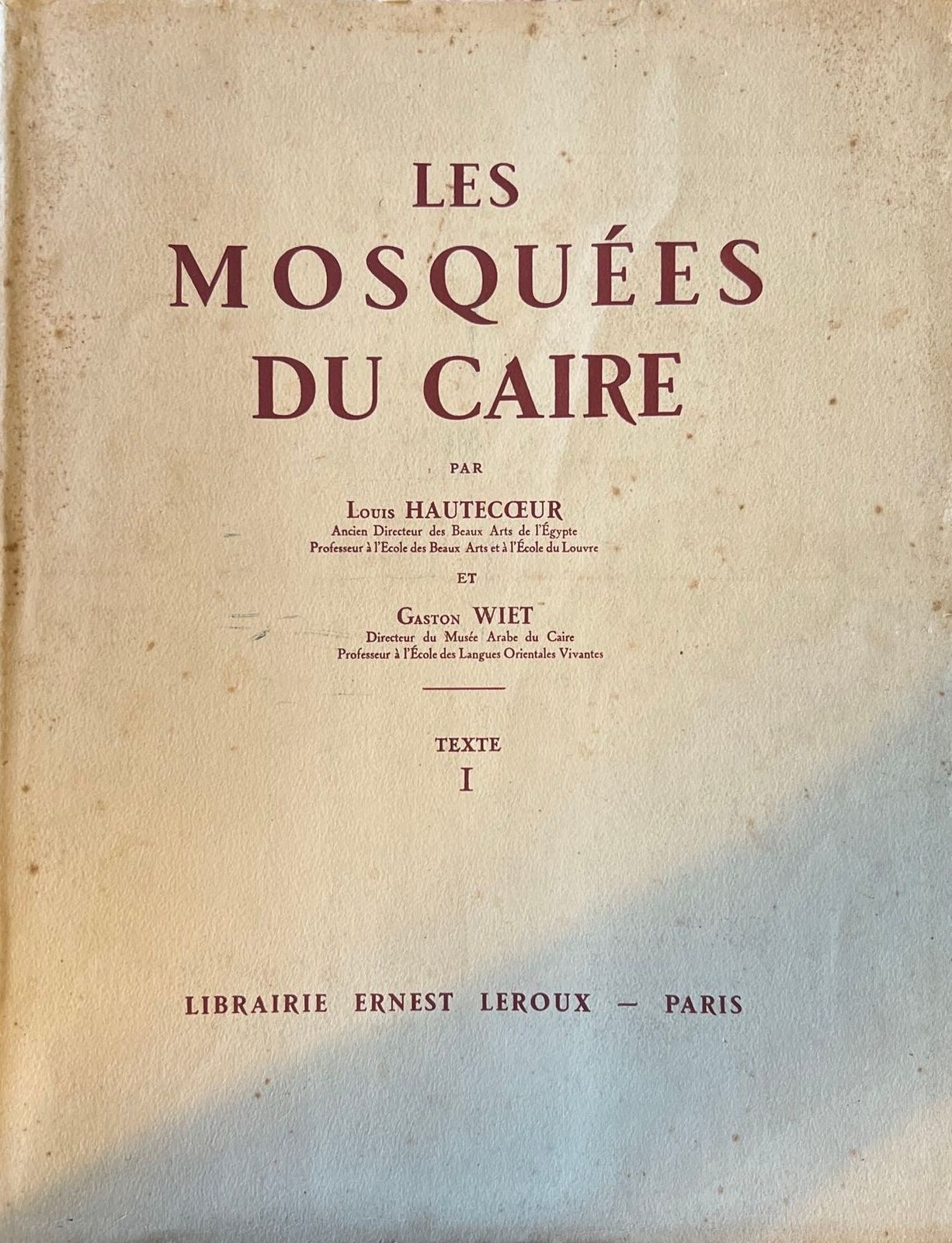
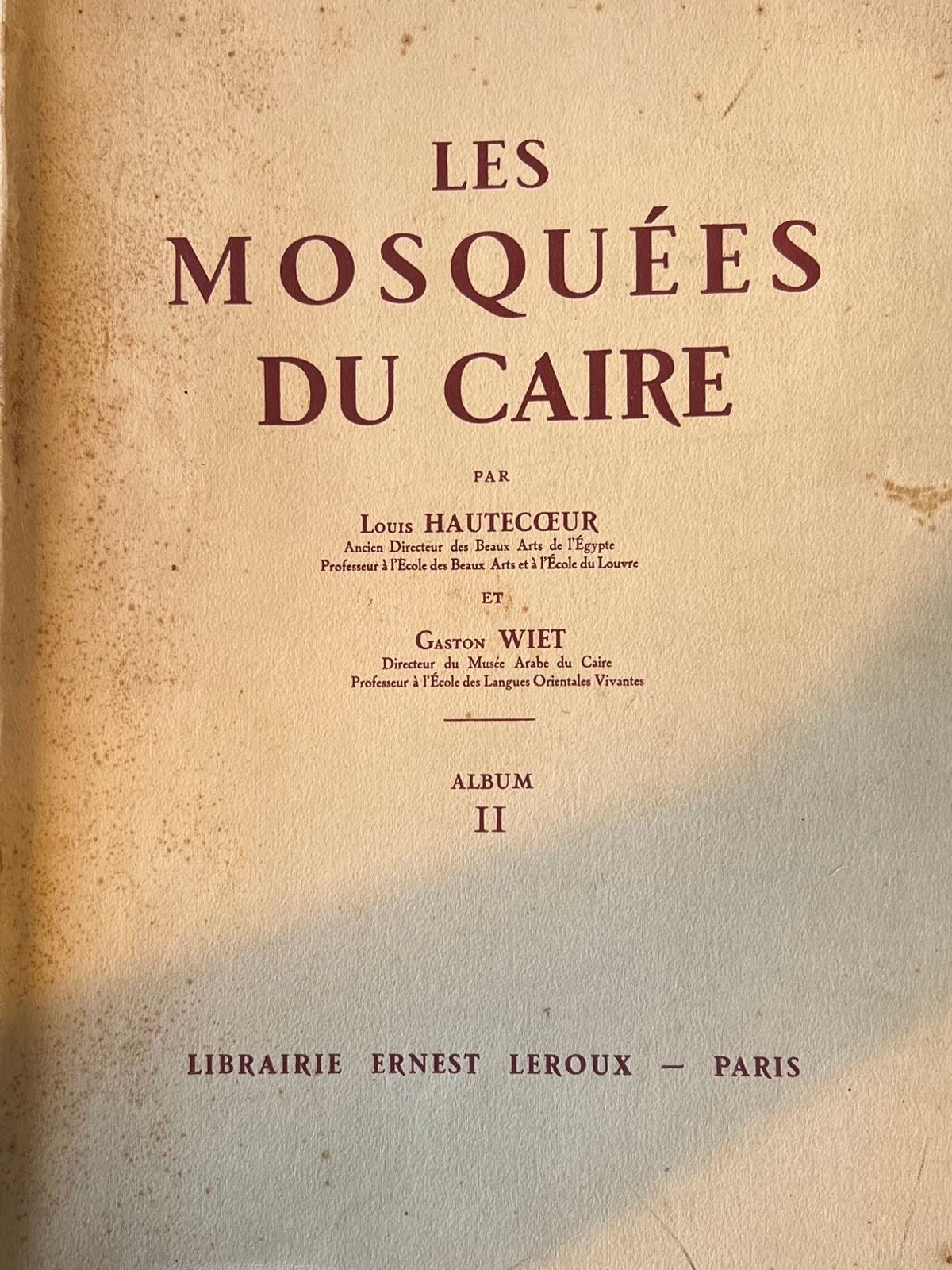
Published in 1932 by the Librairie Ernest Leroux in Paris, Les Mosquées du Caire is the fruit of an exceptional collaboration between two towering figures of French Orientalism and art history. Louis Hautecœur (1884–1973), former Director of Fine Arts in Egypt and professor at... ☞ Read more
- Free delivery to your door in 🇺🇸 United States of America
- Your price includes all duties, taxes, tariffs, and shipping to any address in 🇺🇸
- What you see is what you pay — no surprises at checkout or delivery.
Mark it for later — it might just be waiting for you!
♯ History ♯ Geography ♯ Art & Architecture ♯ 20th Century ♯ Religion
☙ Les Mosquées du Caire
✑ Louis Hautecœur
LES MOSQUÉES DU CAIRE. ÉTUDE DE L'ARCHITECTURE ET DE LA DÉCORATION EN ÉGYPTE D'APRÈS LES MONUMENTS RELIGIEUX DU CAIRE
Published in 1932 by the Librairie Ernest Leroux in Paris, Les Mosquées du Caire is the fruit of an exceptional collaboration between two towering figures of French Orientalism and art history. Louis Hautecœur (1884–1973), former Director of Fine Arts in Egypt and professor at the École des Beaux-Arts and the École du Louvre, was responsible for the architectural and formal analysis. Gaston Wiet (1887–1971), Director of the Arab Museum in Cairo and professor at the École des Langues Orientales Vivantes, contributed the indispensable foundation of Arabic textual sources and epigraphy. The result of a systematic visit to nearly four hundred mosques, madrasas, ribats, sabils, and other religious monuments listed by the Committee for the Conservation of Arab Art Monuments, this work remains to this day the most complete and rigorous synthesis ever devoted to Islamic architecture in Cairo. Printed in a very limited run and never reprinted, it has become one of the most sought-after bibliographic references in the fields of Islamic studies and medieval Egyptian art history.
Why add it to your collection?
- The 1932 Original Edition, the Only One Ever Printed, of Documented Market Rarity
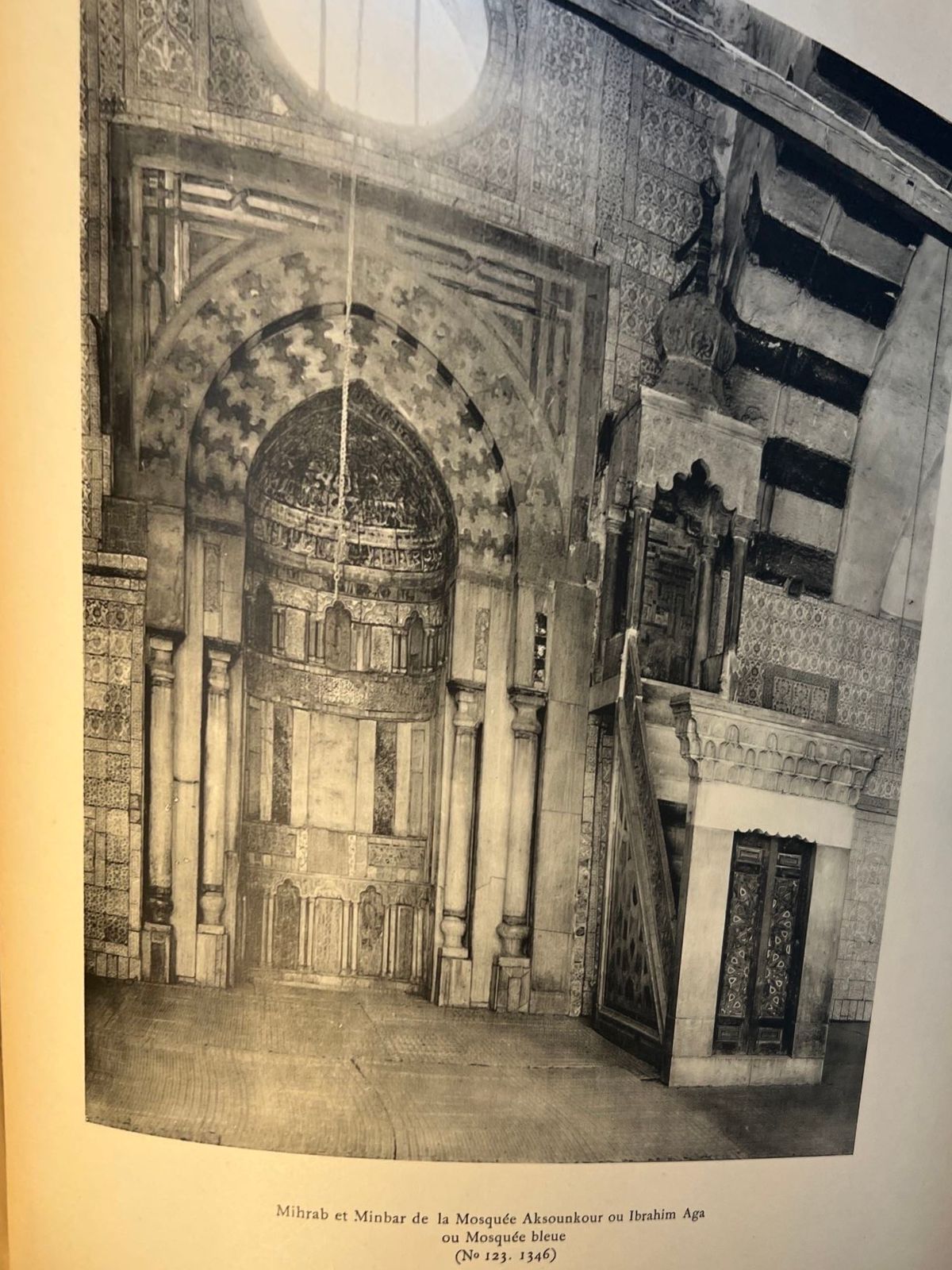
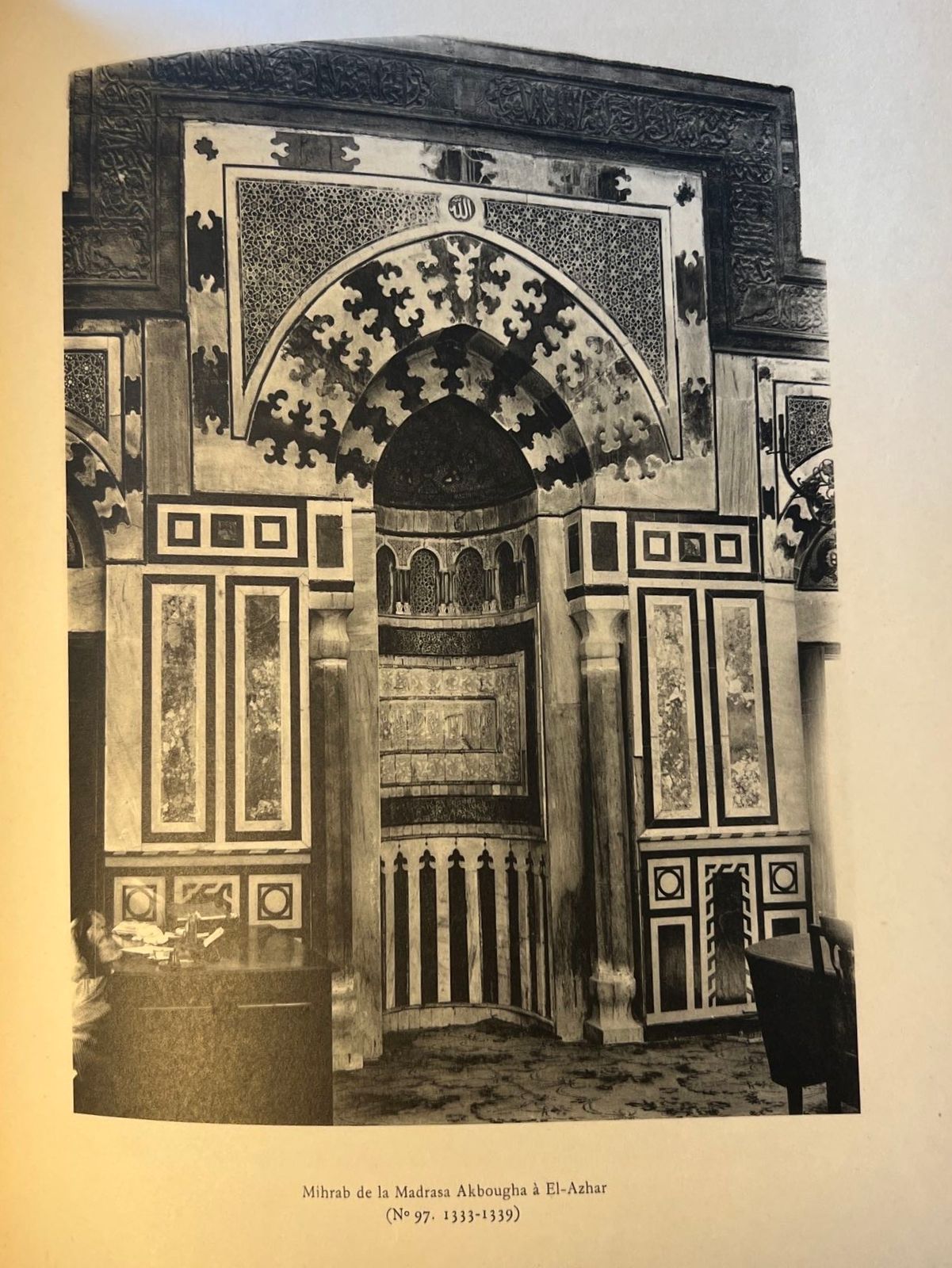
- 247 Heliogravure Plates and 11 Plans: an Unrivalled Visual Atlas of Islamic Architecture in Cairo
- A Dual Scientific Authority: Hautecœur as Art Historian, Wiet as Director of the Arab Museum of Cairo
- A Large Folio Format (33 × 26 cm) of Monumental Physical Presence
- The Absolute Reference Work for Any Collector of Islamic Art and Architecture
Description
☞ Continue readingThe work comprises two inseparable volumes whose complementarity is one of its greatest strengths. The first volume, devoted to text, is organized in two distinct parts: Les Faits, written by Gaston Wiet, traces the political and dynastic history of Islamic Egypt from the ninth to the sixteenth century — from the Tulunids to the Mamluks — grounding each period in original Arabic texts and inscriptions recorded on site. Les Œuvres, under Hautecœur's pen, constitutes a monument-by-monument architectural and decorative analysis, examining plans, elevations, vaulting systems, mihrabs, minarets, and stucco ornament with a methodological rigor unprecedented in the discipline.
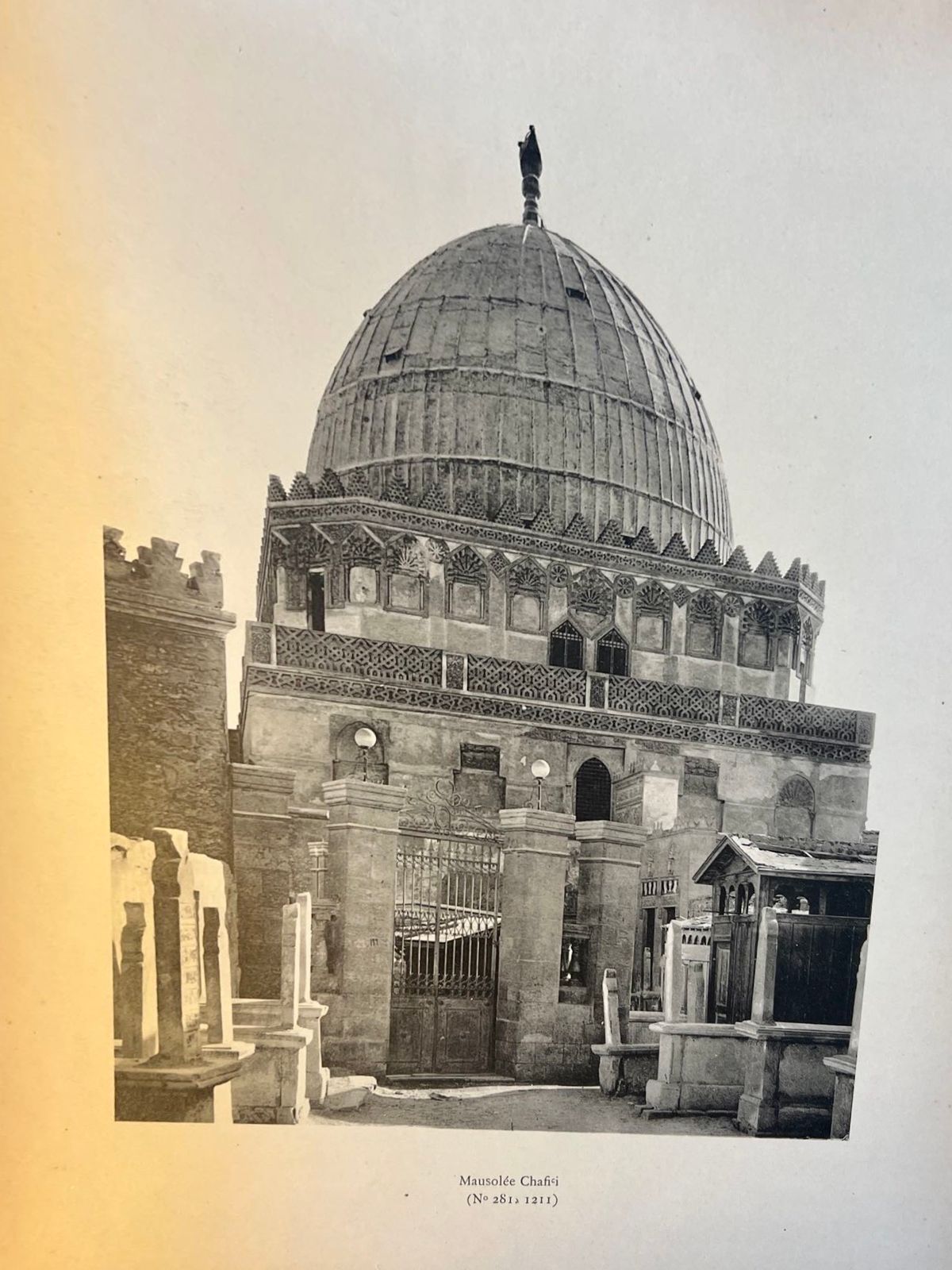
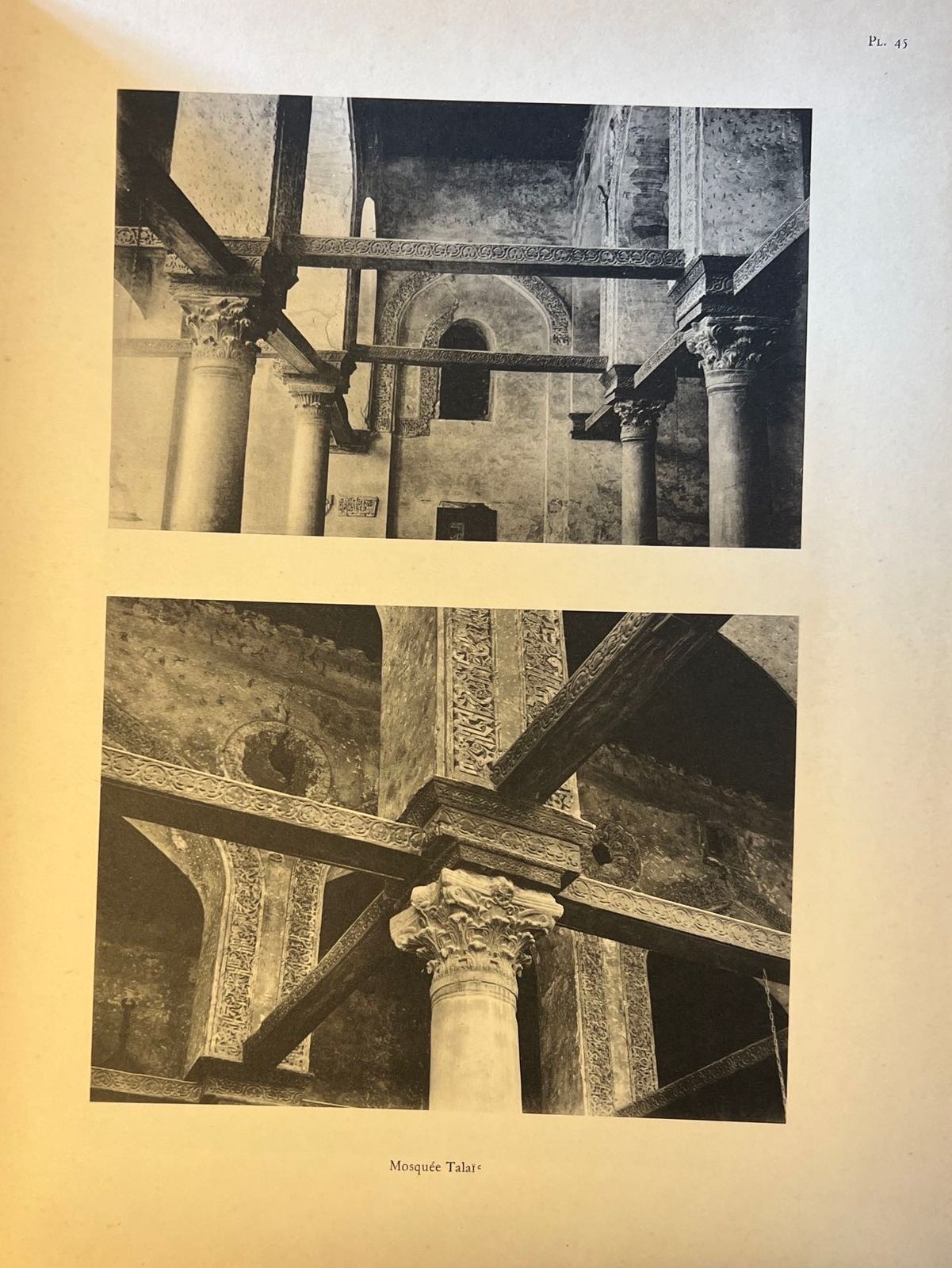
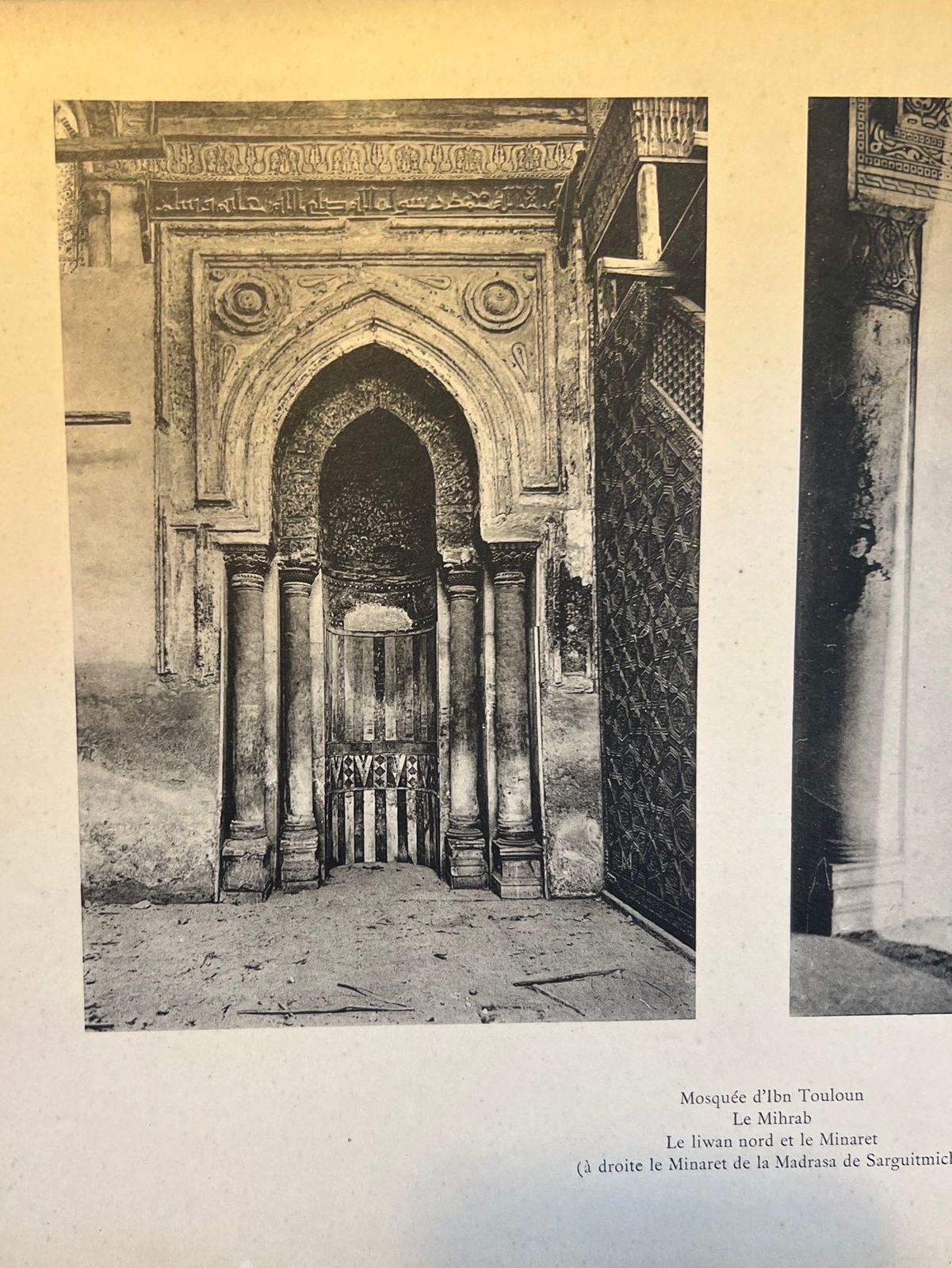
The second volume, the Album, is itself a masterpiece of photographic and cartographic documentation. Its 247 heliogravure plates — a process yielding exceptional reproduction of half-tones and textures — provide both wide-angle views and close-up details of monuments, some of which have since been altered, restored, or have simply disappeared. These photographs thus constitute today an irreplaceable record of the state of Cairo's monuments in the early twentieth century.
The 11 Plans: a Cartographic Reference
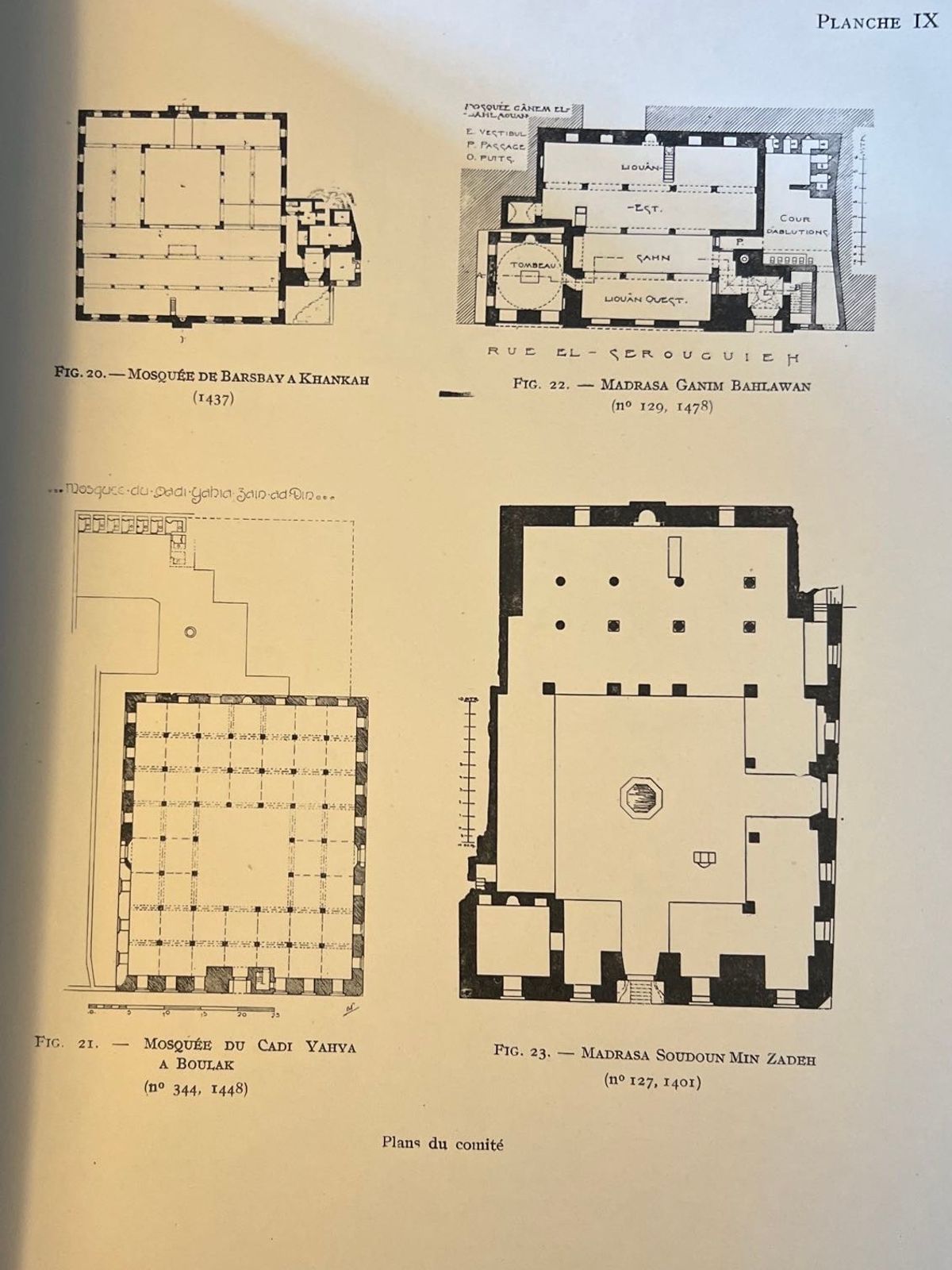
Complementing the photographs are eleven plates of architectural plans, surveyed with precision by the Committee for the Conservation of Arab Art Monuments. These plans — Ibn Tulun mosque, al-Azhar mosque, the Kalaoun complex, the Sultan Hasan madrasa, the Kaitbay mosque, and many others — are drawn...
Mark it for later — it might just be waiting for you!
- Year
- ❧ 1932
- Century
- ❧ XX
- Author
- Louis Hautecœur
- Publisher
-
- Librairie Ernest Leroux, Paris
- Ref #
- CRN-072
- Dimensions
- 260 mm • 330 mm • 45 mm
- Weight
- 3200 gram
- Condition
- *** Good
 ➜
➜